
Capacity Building for Collaboration
Building the case for collaborative capacity to do more, better, together.
Collaborative stewardship approaches are being increasingly used to meet complex challenges and emergent opportunities. Many are looking to these ways of working to build relationships, harness knowledge, and create multi-benefit solutions. For example, they have been employed to fill governance gaps, resolve conflicts, build trust, and co-create inclusive processes.
But it is often hard to know how to best invest in collaborative work and, specifically, how to resource the human capacity that is essential for successful collaboration.
That is why understanding and solving challenges in operationalizing, funding, and sustaining collaborations is a critical part of the CLSN’s work.
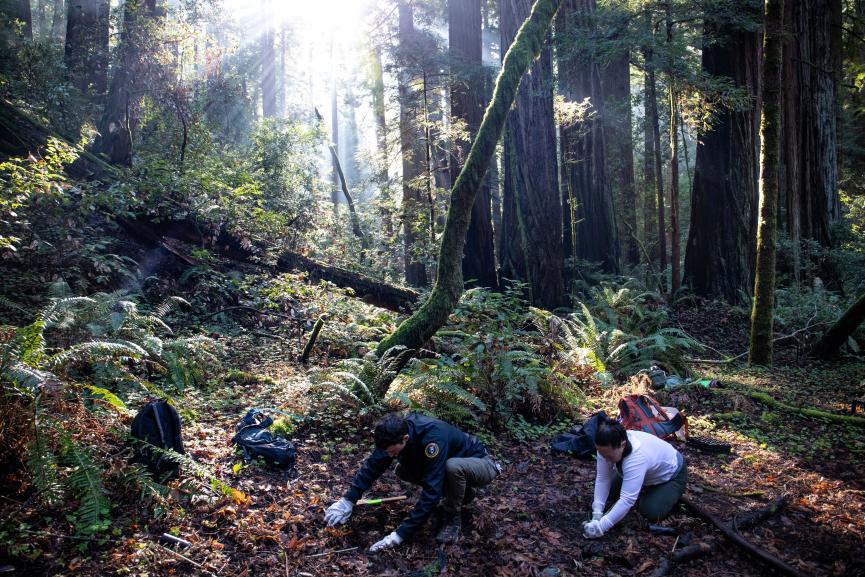
Collaborative Capacity and Infrastructure
The case for increasing collaborative capacity, and understanding why it is important, is the current focus of both regional and national networks engaged in stewardship and conservation. CLSN has been instrumental in championing collaborative capacity -- which is outlined in a series of research papers that follow.
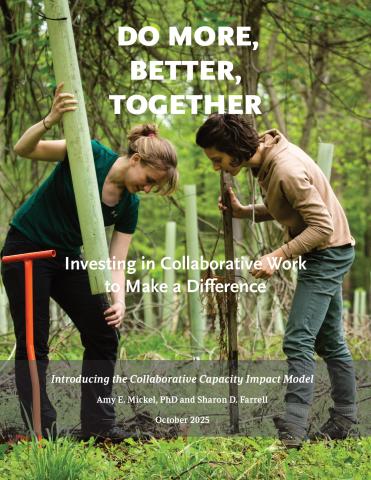
Do more, better, together: investing in collaborative work to make a difference.
This paper looks at how investments translate into results, and introduces the Collaborative Capacity Impact Model as a way to assess and describe outcomes. It summarizes how this model was used to evaluate two grant programs that fund collaborative capacity, and how those investments result in on-the-ground impacts.
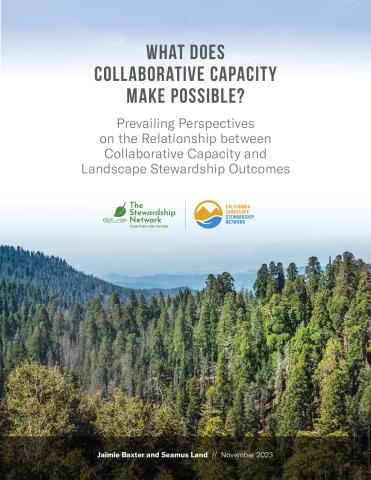
What does collaborative capacity make Possible? (and related research brief)
These resources provide an analysis of what collaborative capacity is and how it leads to improved conservation and stewardship outcomes. It is based on expert perspectives gathered from in-depth interviews and focus groups with practitioners, leaders, and funders across the United States.
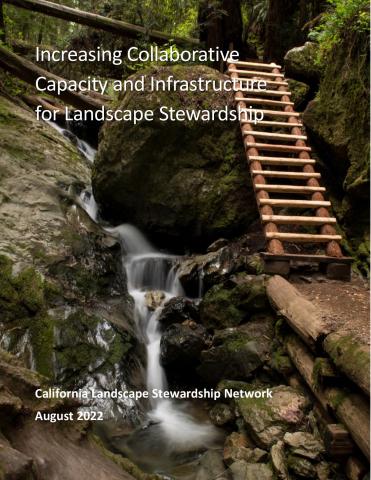
Increasing collaborative capacity and infrastructure for landscape stewardship
Published in 2022, this paper provides an overall approach and specific recommendations for how state and federal agencies can support building and sustaining the local and regional collaboration necessary to advance landscape-scale stewardship.
The following suite of resources was developed by researchers studying the One Tam partnership in the San Francisco Bay Area. Lessons learned from this collaborative were used to define key criteria and methods for measuring the impact of other landscape stewardship partnerships.
Read the Partnership Impact ModelTM
Model and case study
partnership impact roadmap & evaluation guide
Capacity building for collaboration
Our 2018 case study describes many capacity-building challenges in detail, as well as highlights stories of where networks have been successful at solving them. A summary version of these findings and supporting research are also available.
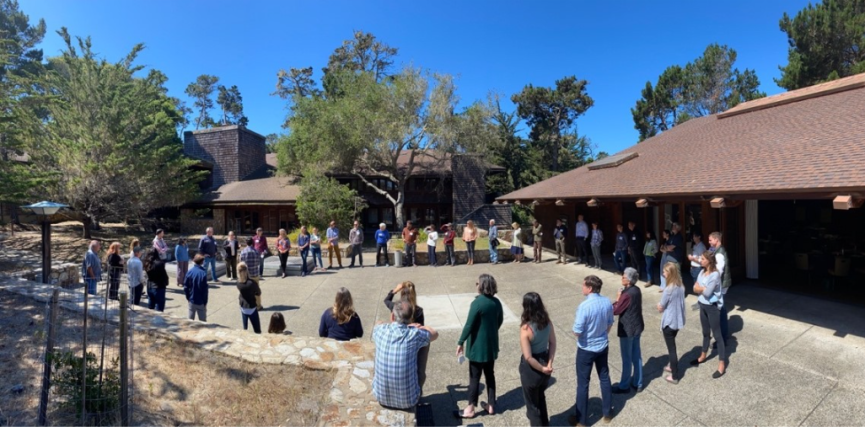
Collaborative Leadership
Empowering and equipping collaborative leaders is at the heart of the CLSN. Since 2019, we’ve been part of a broader effort to elevate the essential and technical skills of collaborative leadership. Learn more about the Collaborating Well initiative, a project of our fiscal sponsor, The Stewardship Network.